These activities are not all offered together in the same areas but rather are area specific.
Walking Safaris and Game Drives
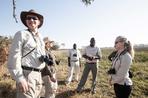
Night drives are not offered in the parks and reserves but rather in the private concession areas. Bicycle safaris are offered in the Mashatu Game Reserve. Horse safaris and elephant interaction safaris happen in the Okavango Delta. Quad biking is best enjoyed on the flat Makgadikgadi salt pans.
Safari by Boat
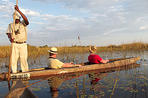
The Okavango Delta is renowned for the traditional makoro or dug-out canoe which allows for a unique experience on safari holidays. Cruising through the channels and floodplains of the delta is a peaceful, soul-enriching experience. Used by people of the delta to cross waters and to fish from the makoro has become part of African safari folklore.
What is a Mokoro, You Ask?
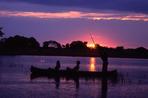
Fishermen of the area also use the makoro for their daily fishing operations. The makoro is controlled by the boat-man standing at the back and using a long wooden pole for punting and driving the craft. Today the makoro is synonymous with a Botswana safari where guests are 'poled' through the waterways of the delta.
With the growth in tourism however the old trees of the delta were under threat from the need for more makoros. So in the interests of a vital sustainable ecological solution all makoros are now manufactured from fibre-glass. This will appeal to the eco traveller on safari holidays in Botswana.
Also, the fibre-glass job even looks like the real thing
This method of manufacture has proved to be so successful that the local people have converted quickly to this modern style of makoro: No trees to be cut down. No wasted days and days of hewing out and carving and scraping wood. And a fibre-glass makoro does not wear out, or rot!
Seasonal Okavango Safaris
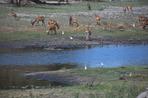
Due to the unique conditions of the Okavango Delta some of the activities are seasonal. Boat and makoro excursions are not available at certain times of the year in the delta due to lack of water. As the water on the south-western floodplains recedes the lodges in the area rely more on game drives and walking safaris.
Game drives are generally not affected except at some camps where annual rains flood roads and bridges - forcing the use of more water activities. Be sure to read the Safari Holidays information to be sure that you are not trying to book something that is "out of season"
Also read: Okavango Seasons
Children on Botswana Safari
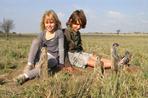
When it comes to activities however most lodges that take children under 16 insist on the family having a private vehicle - extra cost is involved. Due to safety concerns children under 16 are not allowed on game-walks.
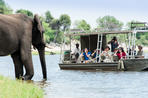
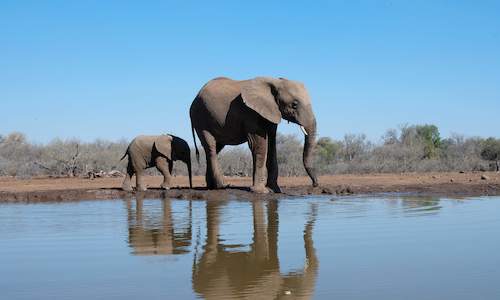 Game viewing on a Botswana safari takes on new meaning when your safari moves off the land and onto Chobe River, or into the Okavango Delta....
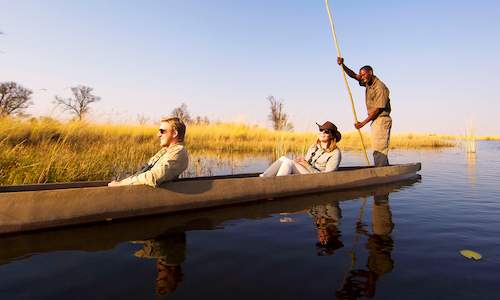 You can only do a mokoro safari in the Okavango Delta in Botswana, where the floodplains have created a beautiful labyrinth of waterways, la...